




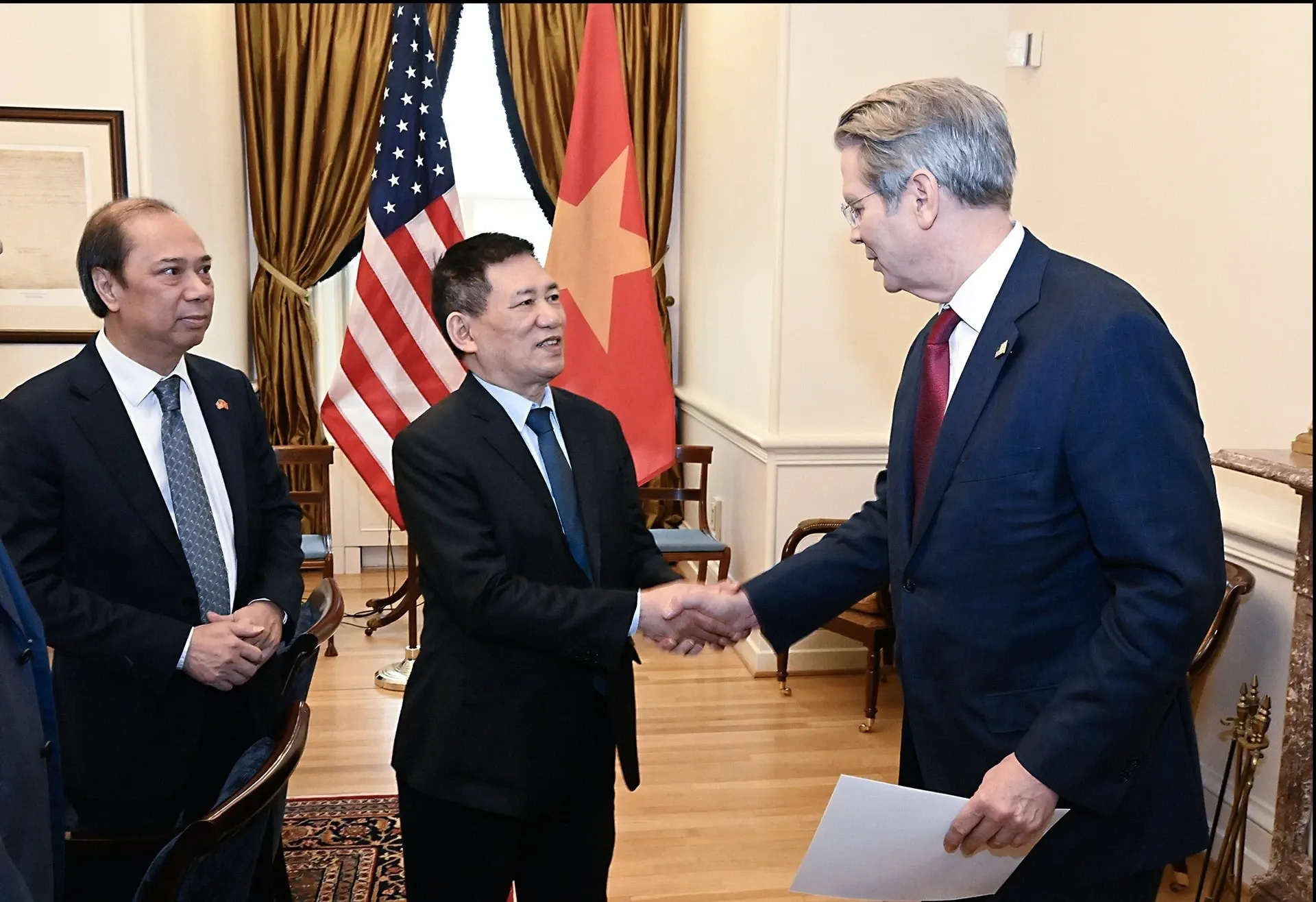
The United States has extended its investigation into Vietnam’s intellectual property protections by three months, moving the expected completion date to February 28, 2027. The decision gives American officials more time to examine concerns about how Vietnam protects patents, trademarks, copyrights and other forms of intellectual property.
The investigation is being conducted by the Office of the United States Trade Representative. It began in May and focuses on what Washington describes as long-standing problems with the protection and enforcement of intellectual property rights in Vietnam. Officials say the issues are complex and require further examination before the investigation can be completed.
The review could have important consequences for Vietnamese exporters. Depending on its findings, the United States may consider additional tariffs or other trade measures. Vietnam is a major manufacturing and assembly centre for products sold in the American market, making the investigation important for companies in electronics, clothing, footwear and consumer goods.
The United States has already placed Vietnam in its most serious priority category for intellectual property concerns. This designation signals that Washington considers the country’s protection and enforcement system a significant issue. Vietnamese authorities have been working to improve their legal framework, but the investigation indicates that American officials still want stronger action.
The trade relationship has become more complicated over the past year. Vietnamese exports to the United States have faced a general duty of 12.5 percent following a separate American finding related to goods made with forced labour. Other investigations have also examined concerns about excess production capacity and the movement of Chinese-made products through Vietnam.
These measures have created uncertainty for businesses that rely on trade between the two countries. International companies use Vietnam as a manufacturing base because of its industrial workforce, export infrastructure and position in Asian supply chains. New tariffs could raise costs, affect prices and influence future investment decisions.
Major companies, including Tesla and Samsung, as well as businesses in footwear, clothing and consumer goods, have opposed the possibility of additional trade barriers. American producers in industries such as steel, seafood, plywood, solar panels and wood products have also called for stronger action against what they consider unfair trade practices.
Vietnam and the United States have been negotiating a trade agreement for more than a year. A successful deal could reduce uncertainty and provide businesses with a clearer understanding of the rules governing exports. However, the negotiations may also require Vietnam to make further commitments on trade enforcement and intellectual property protection.
Vietnam has an important economic interest in maintaining access to the American market. Its manufacturing sector depends heavily on international customers, and the United States is one of its most important export destinations. The country must therefore balance its efforts to attract foreign investment with the need to respond to the concerns raised by its trading partners.
The investigation’s new deadline gives both sides more time to address the issues. Its final outcome could influence trade costs, supply-chain decisions and the future direction of economic relations between Washington and Hanoi.
