




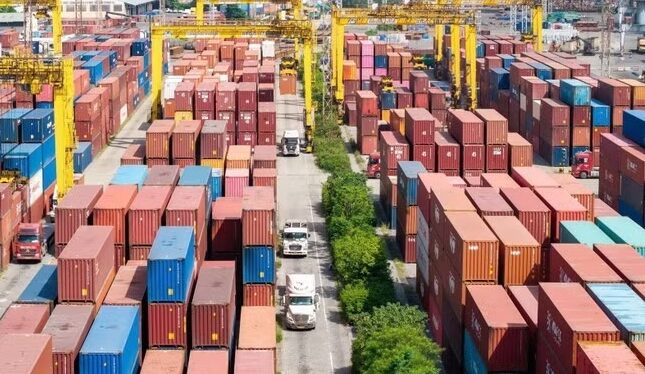
Trade between Vietnam and Singapore rose sharply during the first nine months of 2026, with two-way turnover reaching nearly 42.8 billion Singapore dollars. The figure, equal to about 33.4 billion US dollars, was 46.8 per cent higher than in the same period last year, according to figures published by VietnamPlus on October 20.
The increase was stronger than the growth in Singapore’s overall foreign trade, which rose 36.9 per cent over the same period. Vietnam remained Singapore’s tenth-largest trading partner, while its share of Singapore’s total trade increased from 2.9 per cent to 3.1 per cent. The figures show that the commercial relationship is becoming more important within Singapore’s wider trading network.
Singapore’s imports from Vietnam recorded particularly strong growth. They rose 123.2 per cent to 19.4 billion Singapore dollars. Vietnam’s share of Singapore’s total imports increased from 1.8 per cent to 3 per cent. The rise suggests that Vietnamese goods are gaining ground in the Singapore market.
Trade growth can benefit businesses in both countries. Vietnamese exporters gain access to an important regional commercial centre, while Singaporean companies can source products from a wider range of suppliers. Stronger trade links may also encourage investment, logistics cooperation and the development of new business partnerships.
Singapore has a major role in regional finance, transport and trade. Its ports and business networks connect companies across Southeast Asia and beyond. Vietnam’s growing manufacturing base and expanding export industries can complement those strengths, creating opportunities for firms seeking reliable supply chains.
Still, strong trade figures do not remove all challenges. Businesses must manage shipping costs, changing market demand and competition from suppliers in other countries. Exporters also need to meet product standards and delivery requirements to keep customers. Long-term growth depends on maintaining quality and building dependable business relationships.
The figures also show why trade partnerships matter for Vietnam’s broader economic strategy. Export growth can support production, employment and investment, but firms need to move beyond basic supply arrangements if they want to capture more value. Better branding, technology and stronger links with international buyers can help local businesses improve their position.
For Singapore, closer trade with Vietnam offers another route to diversify sourcing and strengthen regional links. For Vietnam, it provides access to an established trade centre and a market that can connect products with wider international networks.
The next test is whether the growth continues through the rest of the year. If businesses can sustain demand and manage supply chains effectively, the two countries may further strengthen their commercial relationship.
