




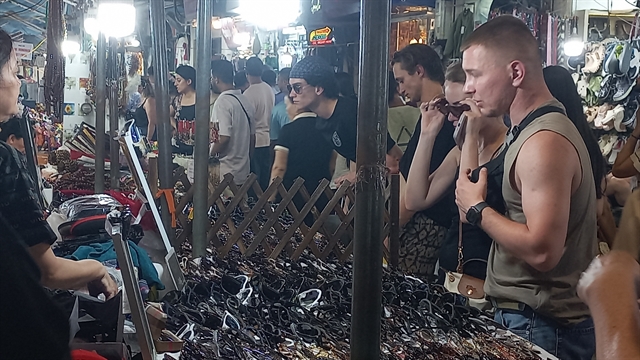
Hanoi is preparing to expand its night-time economy as part of a long-term plan to strengthen tourism, entertainment, and local business. City leaders aim for night-time activities to contribute about 5 percent of Hanoi’s gross regional domestic product (GRDP) by 2030.
The new strategy focuses on creating lively entertainment districts, improving public transport, and offering more cultural experiences after dark. Officials believe the plan will attract more visitors, support businesses, and create new jobs while maintaining public safety and order.
Under the proposal, selected areas of the city could remain open beyond midnight. Some entertainment districts may even operate around the clock. Businesses such as karaoke venues, nightclubs, bars, pubs, clubs, and electronic gaming centers would be allowed to extend their hours if they meet strict rules on security, public safety, and urban management.
Hanoi plans to develop several specialized night-time destinations across the city. Historic districts, including Hoàn Kiếm, Cửa Nam, Ba Đình, Sơn Tây, and Sóc Sơn, will focus on cultural heritage, traditional performances, and historical attractions.
Modern entertainment zones will be developed in Tây Hồ, the western area of West Lake, Mỹ Đình, and Đông Anh. These districts are expected to feature contemporary nightlife, entertainment venues, and new visitor experiences.
The city also plans to promote suburban destinations such as Bát Tràng, Ba Vì, and Hương Sơn. These areas will offer cultural activities, local traditions, and leisure experiences that highlight Hanoi’s rich heritage.
As part of the plan, Hanoi will introduce signature night routes that combine history, food, and local culture. Visitors will be able to explore famous heritage sites, including the four Sacred Temples of the ancient royal city of Thăng Long.
Popular food streets such as Tống Duy Tân and Tạ Hiện will continue to play an important role in the city’s night-time tourism strategy. Officials hope these well-known dining areas will attract both domestic and international visitors.
Transport improvements are another key part of the plan. Hanoi is considering extending metro operating hours on weekends and public holidays to make late-night travel easier.
State-supported bus services may also be expanded to connect major entertainment districts with residential areas and transport hubs. Better public transport is expected to improve convenience while reducing traffic congestion.
The city also plans to establish creative night hubs in several locations. These include the Đồng Xuân–Bắc Qua area, the cultural industries center in Cửa Nam Ward, and the Gia Lâm Train Factory creative complex.
Officials are exploring new entertainment options that appeal to younger visitors and families. Proposed attractions include e-sports venues and sports complexes offering activities such as billiards, indoor golf, pickleball, tennis, and running.
Several large public events are also under consideration. These include an annual international night marathon, a technology-based cultural program called Memories of Thăng Long, and a Hanoi night music and arts festival.
The city plans to improve the atmosphere of public spaces by expanding artistic lighting around West Lake, Hoàn Kiếm Lake, and the Red River. These upgrades are designed to make popular destinations more attractive during the evening.
A digital night economy map is also being developed. The platform will help residents and visitors locate entertainment venues, cultural events, restaurants, transportation services, and other attractions across the city.
City officials say Hanoi already has successful pedestrian streets, food markets, cultural performances, and night tours. However, they believe these attractions have not yet reached their full potential.
By connecting these experiences into a stronger and more organized network, Hanoi hopes to create a competitive night-time economy that supports tourism and business growth throughout the year.
The city expects the expanded night-time economy to encourage investment, increase visitor spending, strengthen local businesses, and enhance Hanoi’s reputation as a vibrant destination for culture, entertainment, and tourism while preserving public safety and the city’s unique cultural identity.
