




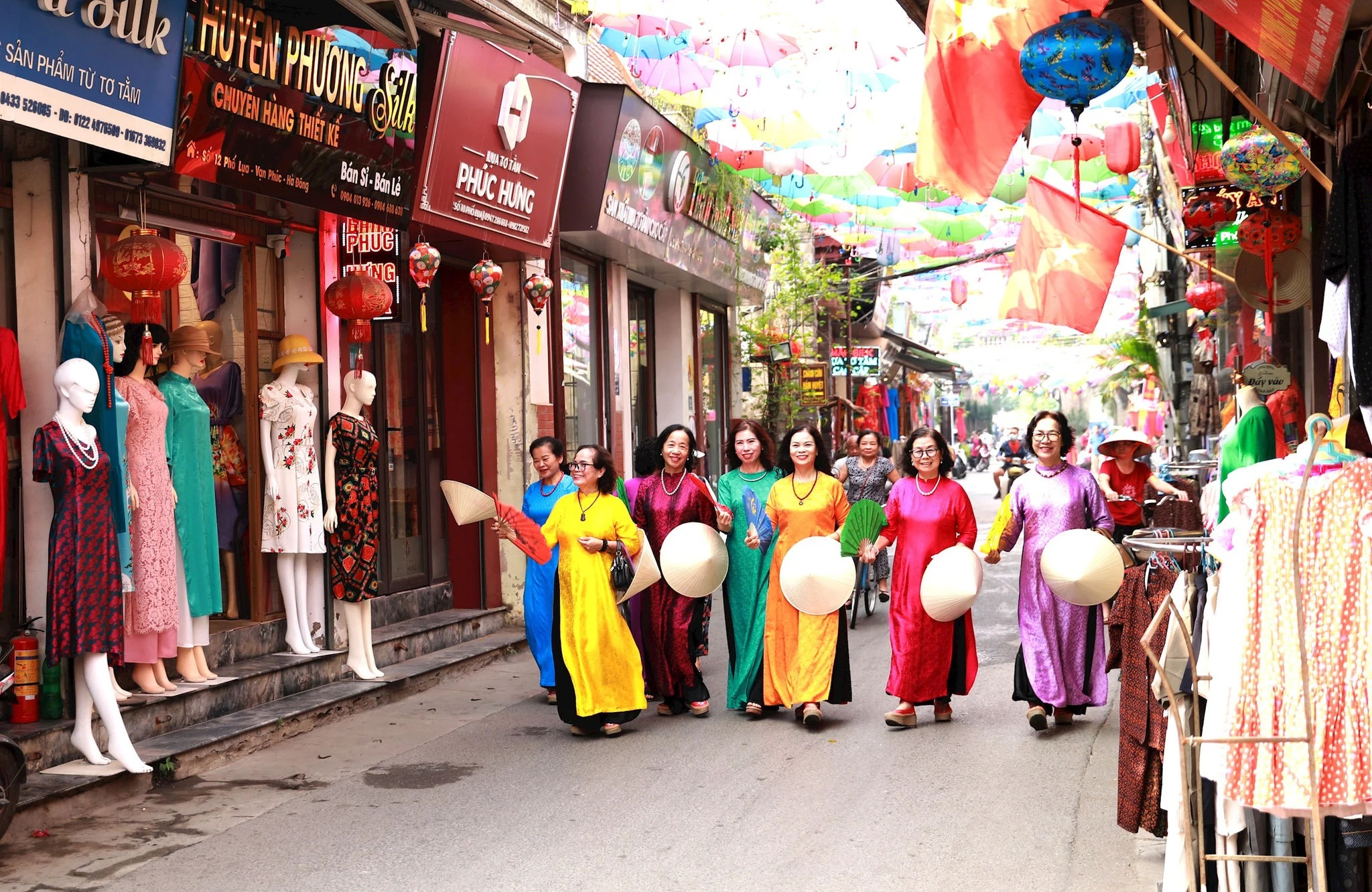
Hanoi is preparing to host its first global festival dedicated to preserving and developing craft villages, bringing traditional skills and modern design together in one event. The festival is expected to cover around 10,000 square metres and feature Vietnamese and international handicrafts, live demonstrations, cultural activities, and food. Organisers also plan to highlight digital tools and environmentally friendly ideas that could help craft villages adapt to changing markets.
Craft villages have long played a role in Vietnam’s cultural life. Across the country, skilled workers produce pottery, silk, woodwork, metal goods, woven items, and other handmade products. These skills often pass from one generation to the next. The work reflects local history and identity, while also giving families a way to earn income and keep traditional knowledge alive.
The festival aims to bring these traditions to a wider audience. Visitors will be able to see how crafts are made and learn about the people behind the products. Live demonstrations can help explain the time and skill required to create handmade goods. Such experiences may also encourage younger people to learn traditional techniques rather than view them as work from the past.
The event will include innovative designs as well as familiar forms of craft. This balance matters because traditional producers need to keep their cultural identity while responding to new tastes. Younger customers may be interested in products that combine handmade methods with modern shapes, colours, or uses. Designers and craft workers can work together to develop products that appeal to both local and overseas buyers.
Digital tools are another focus. Online platforms can help small producers reach customers beyond their own villages. Clear product images, online payment systems, and reliable delivery services may allow craft businesses to sell directly to buyers. Digital marketing can also help tell the story behind a product, giving customers a better understanding of its materials, origin, and production methods.
The festival is also expected to highlight environmental issues, including efforts linked to net-zero goals. Craft production can use energy, water, wood, dyes, and other materials, so producers may need ways to reduce waste and use resources more carefully. Cleaner methods can help protect local environments while making products more attractive to buyers who care about sustainability. The challenge is to adopt new methods without losing the qualities that make handmade goods distinctive.
Tourism may benefit from the event as well. Visitors often seek experiences that show local culture, food, and traditional skills. A craft festival can encourage people to explore nearby villages, buy local products, and learn about the history of a region. These activities may support guides, restaurants, transport services, and small shops. The benefits will depend on whether the event draws visitors and whether local producers gain lasting opportunities.
Craft villages also face difficulties. Younger workers may choose jobs in larger cities, while handmade production can struggle to compete with factory goods that cost less. Producers may need training, better access to finance, and help reaching new markets. Events can raise awareness, but long-term support is needed to turn interest into stable income.
The Hanoi festival offers a chance to connect heritage with modern life. It can help craft workers share their skills, meet potential buyers, and explore new ideas. Its wider value will depend on what happens after the event ends. If the festival builds lasting links between producers, designers, and customers, it could support traditional crafts while helping them find a place in the future.
