




Vietnam attracted $50.36 billion in foreign investment during the first nine months of 2026, according to figures reported by VnEconomy on October 4. Manufacturing and processing remained the largest destination for newly registered foreign investment, showing the continued importance of Vietnam’s industrial sector. The latest figures are part of a wider economic picture that includes strong growth, expanding exports and continued interest from international companies.
Manufacturing and processing attracted $13.38 billion in newly registered foreign investment during the period, accounting for 45.8 percent of the total. The figure highlights the continuing role of factories and industrial projects in Vietnam’s efforts to attract international capital. Foreign companies have increasingly used Vietnam as part of their production networks, particularly in industries connected to electronics, machinery and other manufactured goods.
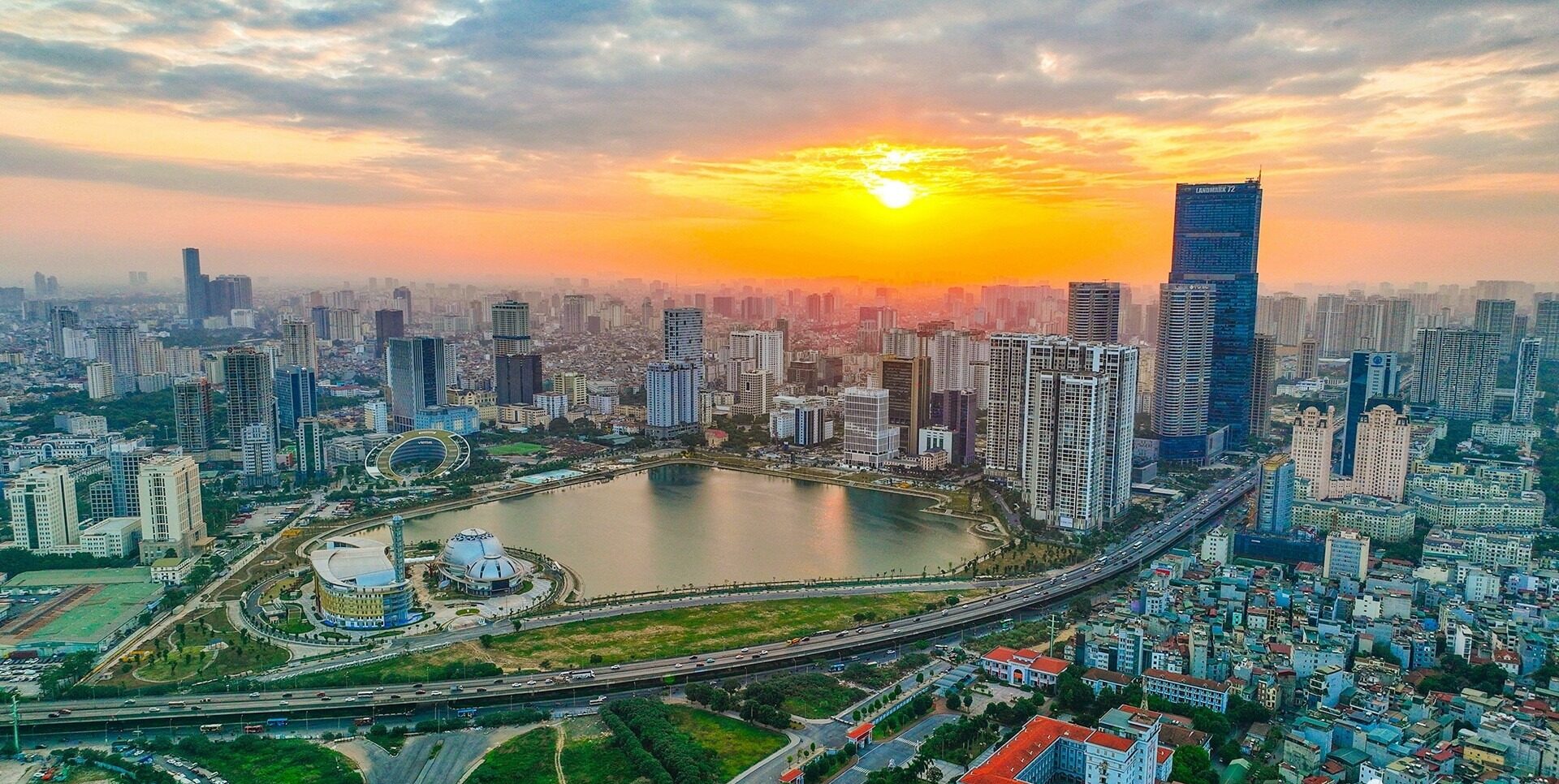
Hanoi remains an important part of this investment environment. The capital has attracted significant foreign investment and continues to serve as a centre for government, technology, services and business activity. VnEconomy’s October 4 overview also lists Hanoi as the country’s leading locality for foreign investment during the first six months of the year, with $3.68 billion in inflows.
The national investment figures come as Vietnam continues to report strong economic growth. Reuters reported that Vietnam’s gross domestic product increased 9.95 percent year on year in the third quarter, the fastest quarterly growth in four years. Strong exports were one of the important factors behind the result, reinforcing the country’s position as a major manufacturing and export base in Asia.
Foreign investment can support economic growth in several ways. New factories and projects can create jobs, increase demand for local suppliers and introduce new technology. International companies can also connect domestic businesses to wider global supply chains. However, attracting investment is only one part of the challenge. Vietnam also needs to ensure that new projects contribute to higher productivity and greater value inside the domestic economy.
The government has been working to improve the investment environment by reducing administrative barriers and encouraging technology-based industries. Investors often look for stable policies, reliable infrastructure, skilled workers and efficient public services when deciding where to place capital. Vietnam’s ability to meet those needs will influence whether the country can maintain strong investment flows over the coming years.
Hanoi has a particular role because it is home to national institutions, universities, technology companies and a growing service economy. The city is also developing its position as a centre for innovation. Recent events in the capital have focused on artificial intelligence, digital transformation and new economic models. These developments can support foreign investment by creating a stronger environment for companies working in technology and knowledge-based industries.
The wider economy is also benefiting from stronger trade. Vietnam’s trade balance returned to a surplus of $1.27 billion in September after nine months of deficits, according to Tuoi Tre News. The improvement was driven in part by stronger exports of computers, electronic products and components. This is important because export performance is closely connected to the country’s manufacturing and foreign-investment sectors.
The growth in investment also comes with challenges. Vietnam needs enough electricity, transport links, industrial land and skilled workers to support expanding businesses. Rapid growth can place pressure on infrastructure and urban areas, especially around major economic centres. Hanoi and other large cities therefore need to manage investment growth while also improving living conditions and public services.
Another challenge is ensuring that foreign investment creates more local value. Large international companies can contribute strongly to exports, but Vietnam wants domestic firms to become more involved in supply chains. Greater cooperation between foreign investors and Vietnamese companies could help local businesses develop new skills and technology.
The October 4 figures show that international investors continue to see Vietnam as an attractive production and business destination. Strong growth and rising exports provide a positive background, while Hanoi remains an important centre for investment and economic activity. The next stage will depend on whether Vietnam can turn investment into higher productivity, better jobs and stronger domestic industries.
