




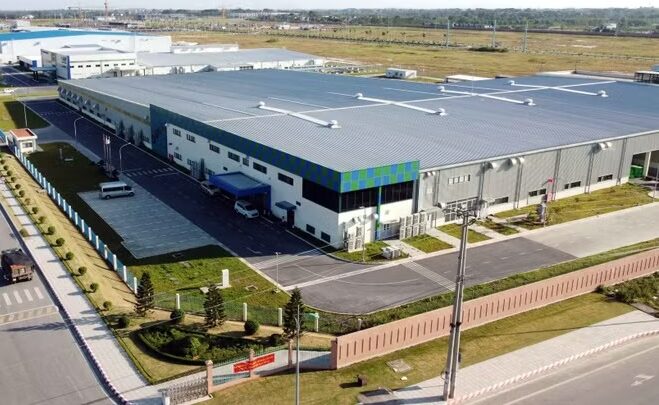
Vietnam attracted strong foreign investment during the first nine months of 2026, with registered capital reaching 50.36 billion US dollars. The figure was 76.4 per cent higher than in the same period a year earlier, according to figures reported by the Vietnam News Agency on October 20. The data point to continued interest from overseas investors in the country’s economy.
Disbursed foreign investment also increased. Capital that was actually put into projects reached 21.07 billion dollars, rising 12.1 per cent year on year. The amount was the highest recorded for the first nine months of a year in five years. This measure is important because it shows money moving into real business activity rather than only being promised for future projects.
Foreign direct investment can support economic growth in several ways. Companies may build factories, expand production, introduce new technology and create jobs. They can also connect local suppliers with international markets. These benefits can help Vietnam strengthen its position in global supply chains and increase the range of goods it produces.
However, registered and disbursed capital measure different stages of investment. Registered capital reflects commitments and approvals, while disbursed capital shows the money already used. Some announced projects take months or years to begin full operations, so a large increase in registered investment does not automatically mean every project will be completed quickly.
Vietnam must continue to provide conditions that encourage investors to move from plans to action. Businesses need reliable transport, stable energy supplies, skilled workers and clear regulations. Delays in permits or infrastructure can increase costs and reduce the benefits of new investment.
The quality of investment also matters. Projects that introduce advanced technology, train workers and support local suppliers can create broader benefits than projects that remain isolated from the domestic economy. Authorities must also consider environmental standards and make sure growth does not come at an excessive social cost.
The latest figures come as countries across Asia compete for investment in manufacturing, technology and energy. Vietnam’s ability to attract capital is a positive sign, but competition remains strong. Investors will continue to compare costs, market access and the ease of doing business across different countries.
The next challenge is turning investment commitments into productive projects. If capital continues to flow into factories, infrastructure and higher-value industries, it could support jobs and exports. The figures provide an encouraging signal, but sustained growth will depend on effective implementation and long-term economic stability.
