




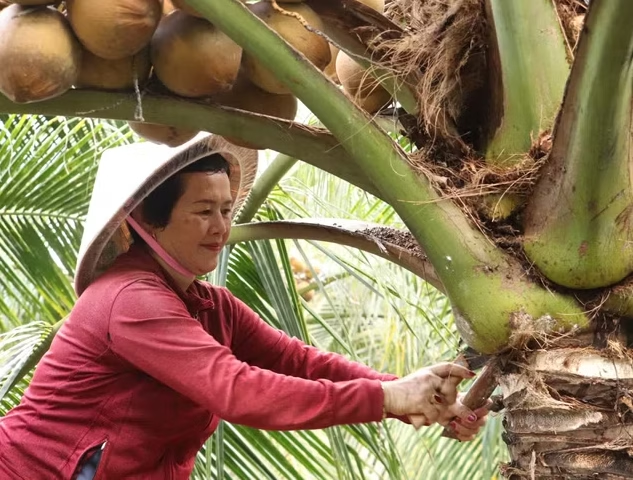
Vietnam is looking to use the APEC 2027 summit to promote greener farming and stronger food security. The plan connects agriculture with wider goals for sustainable growth, better food systems, and closer cooperation among economies in the Asia-Pacific region. As Vietnam prepares to host the major international event, it has an opportunity to bring farming and food supply issues into wider regional discussions. The challenge will be turning these goals into practical steps that can benefit farmers and consumers.
Food security remains an important concern for countries across the world. Population growth, changing weather, rising production costs, and disruptions to trade can all affect the supply and price of food. Farmers need reliable access to water, land, seeds, equipment, and markets. Consumers, meanwhile, depend on food supplies that are safe, affordable, and steady throughout the year. Strong food systems need to address both sides while protecting the natural resources used to produce crops.
Green farming aims to reduce harm to the environment while keeping farms productive. Farmers can use water more carefully, improve soil health, reduce waste, and choose methods that limit unnecessary chemical use. Some may also adopt better irrigation systems, cleaner energy, or digital tools that help them monitor crops. These changes can support long-term production, although they may require new skills, investment, and access to suitable technology.
Vietnam has a strong interest in these issues because agriculture remains important to rural jobs, local communities, and national trade. Farmers produce rice, fruit, vegetables, coffee, and other goods for domestic use and overseas markets. Changes in rainfall, heat, storms, and water supplies can affect harvests and farm income. Improving the resilience of agriculture can therefore help protect both the livelihoods of rural families and the wider food supply.
APEC, the Asia-Pacific Economic Cooperation forum, provides a place for member economies to discuss shared economic challenges. Its work covers trade, investment, regional growth, and practical cooperation. Agriculture and food security fit into this wider agenda because food production depends on markets, transport, technology, and access to resources. Regional dialogue can help governments share knowledge and explore approaches that may work across different farming systems.
One possible area for cooperation is the use of technology in agriculture. Digital weather services can help farmers prepare for changing conditions, while improved storage and transport can reduce food losses after harvest. Better information about market demand may also help producers plan what to grow and when to sell it. However, new tools need to be affordable and easy to use. Small farms may require training, finance, and local support before they can gain the full benefits.
Sustainable farming also requires careful management of land and water. Poor soil conditions and inefficient irrigation can reduce yields and raise costs over time. Farmers may benefit from methods that protect soil, improve water use, and reduce waste. Governments and research institutions can support this work through training, agricultural research, and better access to advice. Local conditions matter, so solutions should reflect the needs of different regions and crops.
Food security is not only about growing enough food. It also depends on whether food can reach people safely and at a price they can afford. Roads, storage facilities, processing plants, and reliable distribution networks all play a role. When transport is disrupted or food spoils before reaching markets, supplies can fall and prices may rise. Better planning across the supply chain can help reduce these risks and support both farmers and consumers.
For Vietnam, APEC 2027 offers a chance to raise these concerns with regional partners and encourage practical cooperation. The event may help draw attention to greener production, stronger food systems, and the needs of rural communities. Yet meetings and public commitments alone will not improve farming conditions. Progress will depend on investment, training, suitable policies, and follow-up after the summit.
Vietnam’s focus on green farming and food security reflects challenges shared by many economies. A more resilient food system can protect livelihoods, reduce waste, and help communities respond to environmental change. If the goals discussed around APEC 2027 lead to lasting cooperation and useful support for farmers, the benefits could continue well beyond the summit itself.
