




Vietnam is moving forward with new efforts to strengthen infrastructure planning and governance as leaders seek to support long-term economic growth and improve national competitiveness.
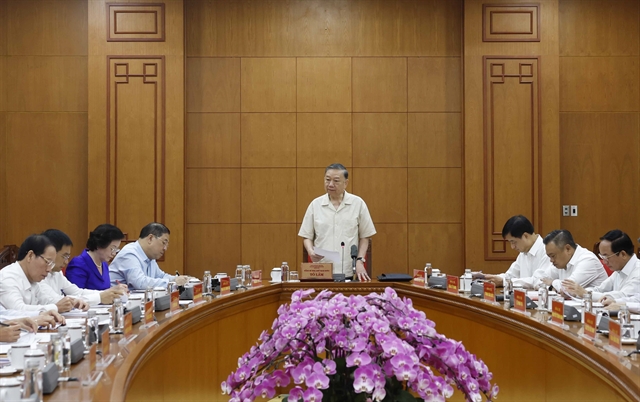
During a working session in Hà Nội, Party General Secretary and State President Tô Lâm reviewed progress on major infrastructure development goals and called for stronger reforms to improve planning, investment management, and project implementation.
The meeting focused on evaluating existing policies aimed at building a modern and connected infrastructure system. Leaders discussed ways to improve efficiency and ensure infrastructure projects deliver greater benefits to people, businesses, and the wider economy.
Tô Lâm said infrastructure is now a key factor in national development. He noted that modern infrastructure supports economic activity, improves services, and strengthens the country’s ability to compete in global markets.
According to the leader, infrastructure should not be viewed only as support for production and daily life. Instead, it should be treated as a strategic asset that drives innovation, investment, and sustainable development.
He highlighted the need for stronger coordination between planning and investment. Infrastructure projects should be designed to improve service quality, increase economic value, and support balanced growth across different sectors.
The leader also stressed the importance of developing physical, digital, and environmental infrastructure together. He said a modern infrastructure system must connect transport, energy, logistics, urban development, and digital networks.
A major focus of the discussion was long-term planning. Tô Lâm said infrastructure strategies should align with Vietnam’s future development goals and reflect changes in technology, demographics, market trends, and climate conditions.
He called for better links between regions, industries, and economic zones. Stronger connections between urban and rural areas were also identified as important for balanced national growth.
Officials were asked to support infrastructure plans that improve domestic and international connectivity. These plans should also consider environmental protection, national security, digital transformation, and green development goals.
Another key recommendation involved improving cooperation between local governments. The leader said stronger regional financial coordination could help provinces jointly invest in and manage large infrastructure projects that benefit multiple areas.
Investment management reform was also identified as a priority. Tô Lâm called for a major overhaul of project governance and stronger accountability throughout the project lifecycle.
He said infrastructure investments should move forward only when critical requirements are ready. These include land availability, funding, construction materials, technology, skilled workers, and supporting infrastructure.
The leader also stressed the need for clear responsibility when projects face delays, rising costs, or poor operational results. Stronger oversight, he said, will help improve efficiency and reduce waste.
Digital technology was another important topic during the meeting. Tô Lâm called for the rapid creation of a national infrastructure database to improve planning and project management.
He also encouraged wider use of digital tools and artificial intelligence to support investment decisions, project monitoring, and operational management.
According to the leader, project success should not be measured only by spending levels. Progress, quality, connectivity, and long-term performance should also be used to evaluate outcomes.
Looking ahead, Vietnam plans to prioritize investment in strategic infrastructure. This includes transport corridors, logistics networks, inland waterways, rail systems, electricity generation, energy transmission, energy storage, and digital infrastructure.
National computing capacity and advanced technology systems were also highlighted as important areas for future development.
Urban infrastructure challenges remain another key focus. Leaders discussed the need to improve climate resilience, strengthen water security, and ensure dam safety, especially in industrial regions, coastal cities, seaport areas, and the Mekong Delta.
On financing, Tô Lâm said public investment should continue to play a leading role in supporting major national projects. Priority should be given to infrastructure that delivers broad economic and social benefits.
He also encouraged greater private sector participation through improved public-private partnership policies. Measures to attract investment include fair risk-sharing arrangements, stronger capital markets, and expanded international funding opportunities.
The leader further emphasized decentralization, allowing capable local governments to take greater responsibility for infrastructure development while maintaining national coordination for major projects.
Looking toward 2045, Vietnam aims to build a modern infrastructure system that is smart, green, safe, and resilient. The vision includes stronger national connectivity, deeper links with global markets, and better access to essential services for all citizens.
Officials were urged to ensure that infrastructure projects are delivered efficiently and to high standards so they can support sustainable economic growth and future prosperity for generations to come.
