




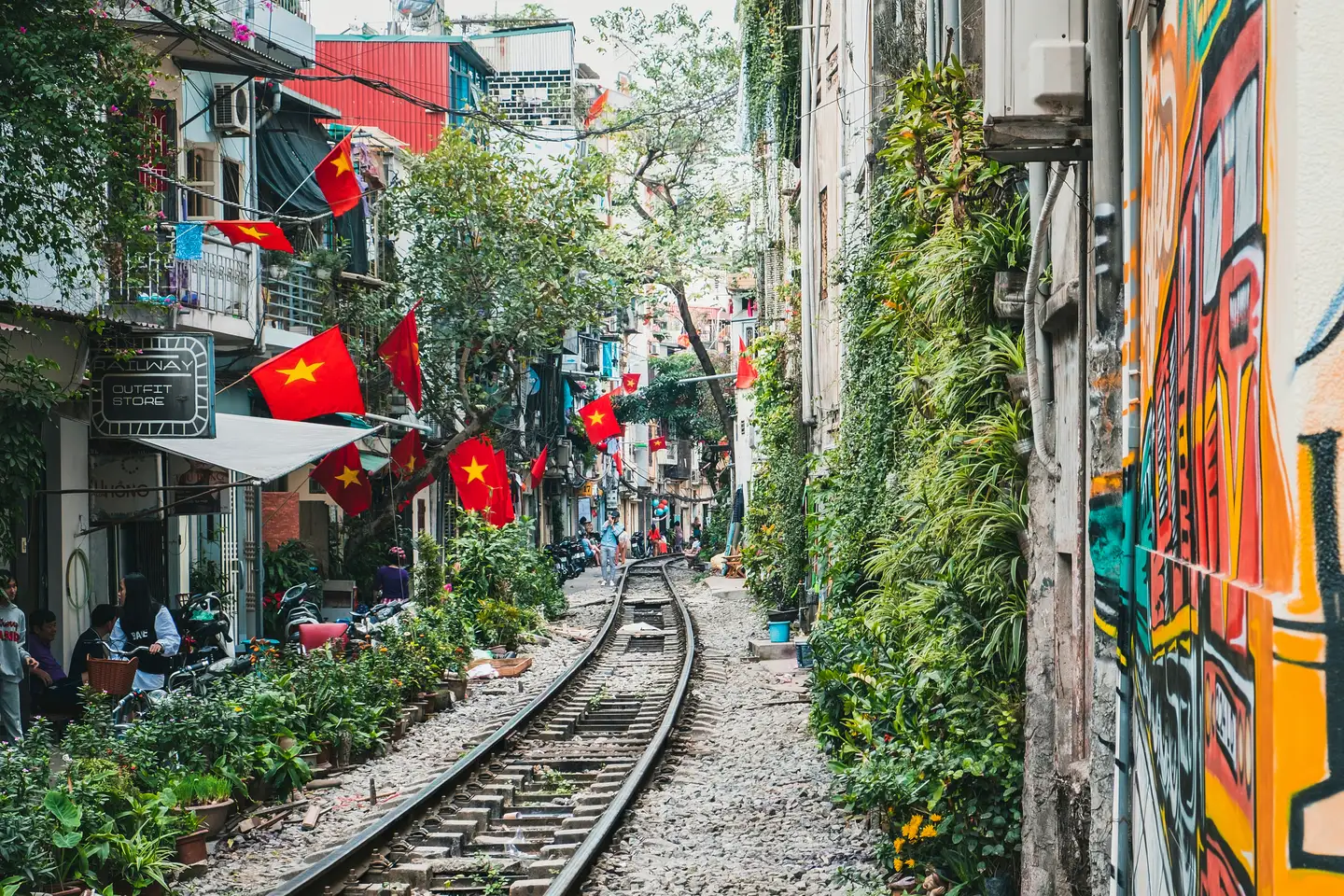
The Hanoi Old Quarter green push is reshaping how both locals and visitors experience the capital’s historic heart. City authorities have approved a plan to roll out five thousand public electric bicycles, alongside new limits on petrol and diesel vehicles in the central area. The move is part of a wider effort to cut air pollution and encourage cleaner, quieter travel through the narrow, centuries-old streets that draw millions of visitors each year.
Officials say the shift toward electric bicycles reflects growing pressure to protect the Old Quarter’s character while still allowing it to handle rising visitor numbers. The neighborhood, known for its French colonial facades, dense street markets, and centuries of trading history, has long struggled with heavy motorbike traffic. Public electric bikes are expected to give tourists and residents an easier, quieter way to move between attractions without adding to congestion or noise.
The green transport plan arrives at a time when Hanoi’s tourism sector is experiencing a genuine surge. The capital welcomed more than twelve million visitors in the first four months of the year alone, generating close to two billion dollars in revenue. City officials have set a target of attracting over thirty five million visitors this year, including more than eight and a half million from abroad, with total tourism revenue expected to top six billion dollars.
Regional tourism connectivity has become a key part of the strategy behind this growth. Officials say linking Hanoi more closely with nearby destinations, including Ninh Binh and Ha Long Bay, helps spread visitor demand and gives travelers more reasons to extend their stay in the region. Deputy officials at the city’s tourism department have described this kind of connectivity as central to keeping Hanoi competitive against other major Southeast Asian destinations.
Infrastructure upgrades away from the Old Quarter are also playing a supporting role. Noi Bai International Airport has seen facility improvements aimed at handling the growing number of international arrivals, while hotel capacity across the city has expanded to keep pace with demand. Newer transport options, including express airport buses with air conditioning and free internet access, have made the journey between the airport and the historic center faster and more comfortable for first-time visitors.
Cultural attractions near the Old Quarter continue to anchor much of the visitor experience. Sites such as the Temple of Literature and the Vietnam Museum of Ethnology remain popular stops for travelers interested in heritage and history, often paired with a walking tour through the Old Quarter’s narrow lanes. Local officials hope that pairing these cultural anchors with cleaner, greener transport options will help the area remain both authentic and accessible as visitor numbers keep climbing.
Looking ahead, city planners say later phases of the strategy will focus on expanding recognized tourism zones to include sites like the Perfume Pagoda, alongside continued investment in the Old Quarter itself. Officials describe the effort as part of a broader shift toward sustainable, long-term growth rather than short-term visitor spikes. For residents and travelers alike, the changes signal a Hanoi that is trying to hold onto its old-world charm while quietly modernizing the way people move through it.
