




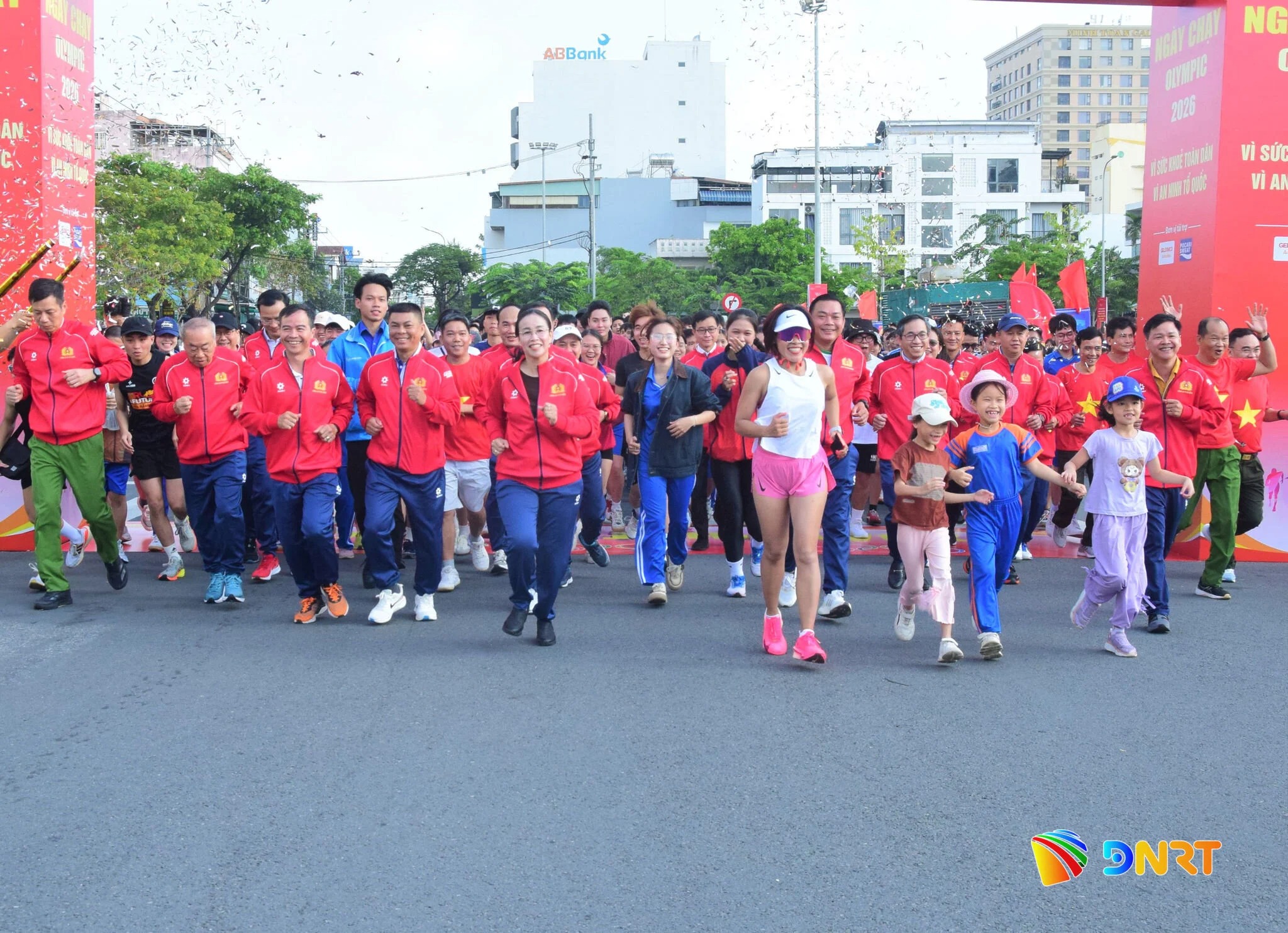
Vietnam has launched a nationwide campaign encouraging people to take part in physical activity and make exercise a regular part of daily life. The initiative began on 10 October at Dong Kinh Nghia Thuc Square in Hanoi and was broadcast simultaneously to 34 provinces and cities. A report published by VietnamPlus on 12 October included the campaign among the country’s main recent developments, highlighting the government’s interest in connecting physical fitness with public health.
The campaign calls on people across different age groups and communities to take a more active approach to their wellbeing. Regular physical activity can help people maintain strength, improve mobility and support general health. Walking, cycling, stretching and organised sports are among the ways people can incorporate movement into their routines without necessarily needing expensive equipment or specialist facilities.
Public campaigns can also help make exercise more accessible by encouraging schools, workplaces and local organisations to organise activities. Community events may allow people to participate together and motivate those who find it difficult to exercise alone. In cities such as Hanoi, public spaces can play an important role by providing areas where residents can walk, stretch or take part in group activities.
However, maintaining participation after a campaign’s launch can be challenging. People may face barriers such as long working hours, limited recreational space or a lack of suitable facilities. Older residents and people with disabilities may need activities adapted to their needs. Local authorities and community groups can help by offering safe spaces, clear guidance and programmes that suit different levels of ability.
The campaign’s message also reflects the connection between personal habits and wider public health goals. Regular exercise can support physical and mental wellbeing, but it works best alongside adequate rest, balanced nutrition and access to healthcare. Public awareness programmes can help people understand these connections and encourage realistic changes that can be maintained over time.
The nationwide launch provides a starting point for further participation. Its longer-term impact will depend on whether communities continue organising activities and whether people can find convenient ways to remain active. By making exercise part of everyday life, the campaign aims to support a healthier population and encourage a lasting culture of physical fitness.
