




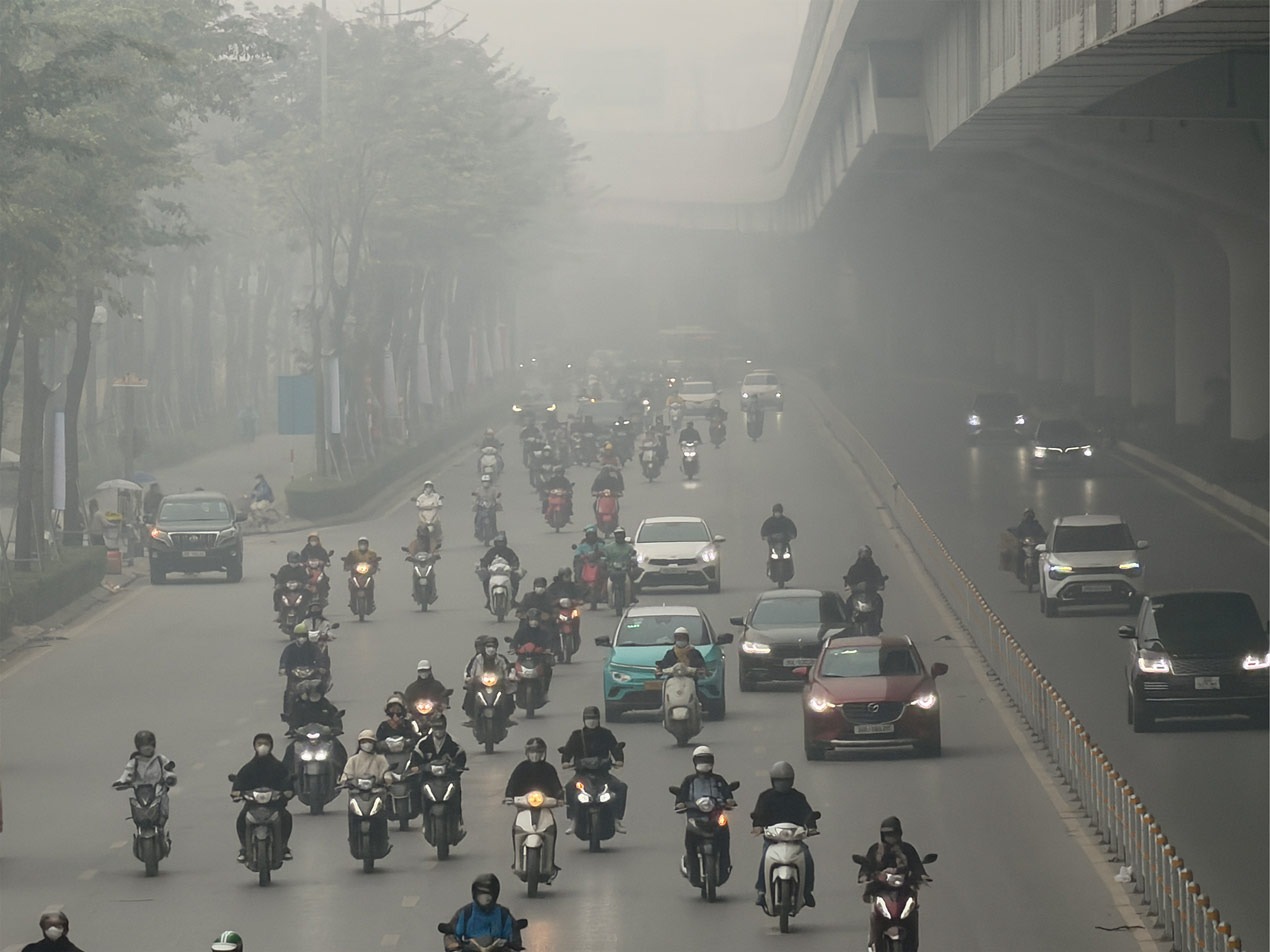
Hanoi’s renewed focus on air pollution is not only an environmental issue but also a matter of daily comfort and lifestyle. As the city approaches the autumn and dry seasons, authorities are increasing attention on major sources of emissions and monitoring fine dust levels. A report published on October 13, 2026, said air quality had improved during the first nine months of the year compared with the same period in 2025, although officials continue to treat pollution as a concern.
For residents, air quality can influence when and where they exercise, how they travel and how they spend time outdoors. People who walk or cycle to work may be more exposed to roadside pollution than those who spend most of the day indoors. On days when pollution is high, residents may choose less strenuous activities, move exercise indoors or avoid busy roads where possible.
Fine particulate matter, especially PM2.5, is a major concern because the particles are small enough to enter deep into the lungs. Exposure can be more worrying for children, older adults and people with existing respiratory sensitivities. Residents should follow reliable air-quality information and seek advice from health professionals when they have concerns about symptoms or repeated exposure.
The city’s efforts to control emissions are important because individual choices alone cannot solve a large-scale pollution problem. Better monitoring, enforcement and cleaner practices across transport and other activities can help reduce pollution at its source. Public information is also essential, as residents need to understand when conditions are poor and what precautions are sensible.
Lifestyle decisions can still play a useful supporting role. Residents can check air-quality updates before outdoor exercise, choose quieter routes away from heavy traffic when possible and reduce unnecessary exposure during high-pollution periods. Schools and workplaces can use official guidance when deciding how to manage outdoor activities. These measures should complement, not replace, wider efforts to improve air quality.
The reported improvement during the first nine months offers some encouragement. However, seasonal changes can affect pollution levels, and conditions may differ from one neighbourhood to another. Residents should therefore avoid assuming that air quality is always good simply because an overall trend has improved. Regular updates provide a more useful picture of current conditions.
Hanoi’s growing population and economic activity make clean air an important part of urban planning. Transport, construction and other city activities help people work and move around, but they must be managed in ways that limit harm to public health. Authorities, businesses and residents all have a role in supporting cleaner practices.
For people living in the capital, the aim is not simply to respond when pollution becomes severe. Long-term improvements would make it easier to walk, exercise and enjoy public spaces throughout the year. Continued monitoring, clear advice and effective pollution controls can help make the city’s outdoor environment healthier and more comfortable.
Date note: This is a lifestyle-focused rewrite of the same October 13 source used in the previous Hanoi article, so it is not a separate news event. I could verify today’s Hanoi economy and air-quality reports, but I could not verify a third distinct Hanoi lifestyle or society report published on October 13. I would rather state that limitation than invent a new story.
