




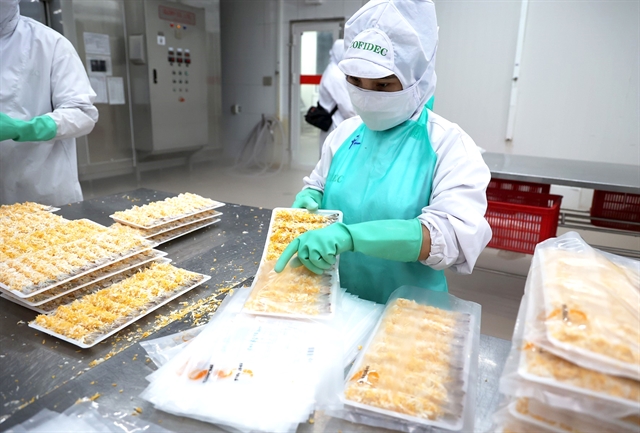
The European Union has started applying new packaging rules that will change how products enter its market. The new regulation affects all packaging sold in the EU, no matter where the product comes from or what material the packaging uses. For Vietnamese exporters, the changes mean packaging is now a key part of meeting market requirements.
The Packaging and Packaging Waste Regulation entered its general application phase on August 12. The regulation is part of the EU’s plan to reduce packaging waste and support a circular economy. It sets new standards for packaging design, recycling, recycled content, and chemical safety.
For many Vietnamese businesses, packaging is no longer only used to protect products during transport. It has become an important requirement for exporting goods to the European Union. Companies must now make sure their packaging follows the new environmental and safety rules before products reach the market.
The regulation covers food packaging, retail packaging, grouped packaging, and transport packaging. It applies to every product placed on the EU market, regardless of the country of origin. This creates one common packaging standard for businesses that want to sell products across the European Union.
The new rules could affect many of Vietnam’s largest export industries. Food products, seafood, coffee, cashew nuts, textiles, footwear, electronics, cosmetics, wood products, and other consumer goods all rely on packaging that now falls under the regulation.
Experts say the new regulation changes the entire export process. Businesses must think about packaging from the design stage instead of treating it as the final step before shipping products. Packaging materials, recycled content, and product traceability are now part of export compliance.
Companies also need better technical records for packaging. The regulation requires businesses to provide information about packaging materials and show that packaging meets safety and environmental standards. This makes documentation more important throughout the production and export chain.
The changes come as trade between Vietnam and the European Union continues to grow. According to the Ministry of Industry and Trade, Vietnamese exports to the EU exceeded US$56 billion in 2025. That was an increase of 8.6 percent compared with the previous year.
Export growth has continued in 2026. During the first five months of the year, exports to the European Union reached US$25.78 billion. That marked a 13.3 percent increase from the same period a year earlier.
The growing trade relationship means more Vietnamese companies depend on access to the European market. Meeting the new packaging standards is becoming an important part of keeping that access and staying competitive.
One of the biggest changes focuses on food-contact packaging. The regulation introduces new limits on substances of concern used in packaging materials. It places special attention on per- and polyfluoroalkyl substances, also known as PFAS, in food-contact packaging.
This requirement is especially important for Vietnam’s seafood industry. Seafood exporters commonly use plastic trays, wrapping films, plastic bags, and other food-contact packaging materials. Companies must now make sure information about these materials is included in technical documentation.
Businesses that export food products may also need to review packaging suppliers and packaging materials. They must confirm that packaging follows the new EU standards before products are shipped to customers in Europe.
The regulation follows a phased transition instead of applying every technical rule at once. This gives businesses time to adjust production systems and invest in new packaging solutions. However, the standards will become stricter over the next few years.
Future rules will place greater focus on recyclability and recycled content. Companies will need to increase the use of recyclable materials and improve packaging design so materials can stay in the recycling system for longer.
A major deadline arrives in 2030. From that year, all packaging placed on the EU market must be designed to be recyclable. This requirement applies across industries and encourages businesses to reduce waste through better packaging design.
The new regulation also supports the EU’s broader environmental goals. It aims to reduce unnecessary packaging, increase recycling rates, and promote the use of recycled materials across supply chains.
For Vietnamese exporters, the changes bring both challenges and opportunities. Companies that adapt early can strengthen their position in the European market and meet growing demand for sustainable products.
The new packaging standards encourage businesses to improve product design, strengthen technical documentation, and invest in safer and more recyclable packaging materials. As the European Union continues its shift toward a circular economy, packaging is becoming an important part of product quality, environmental responsibility, and long-term export success.
