




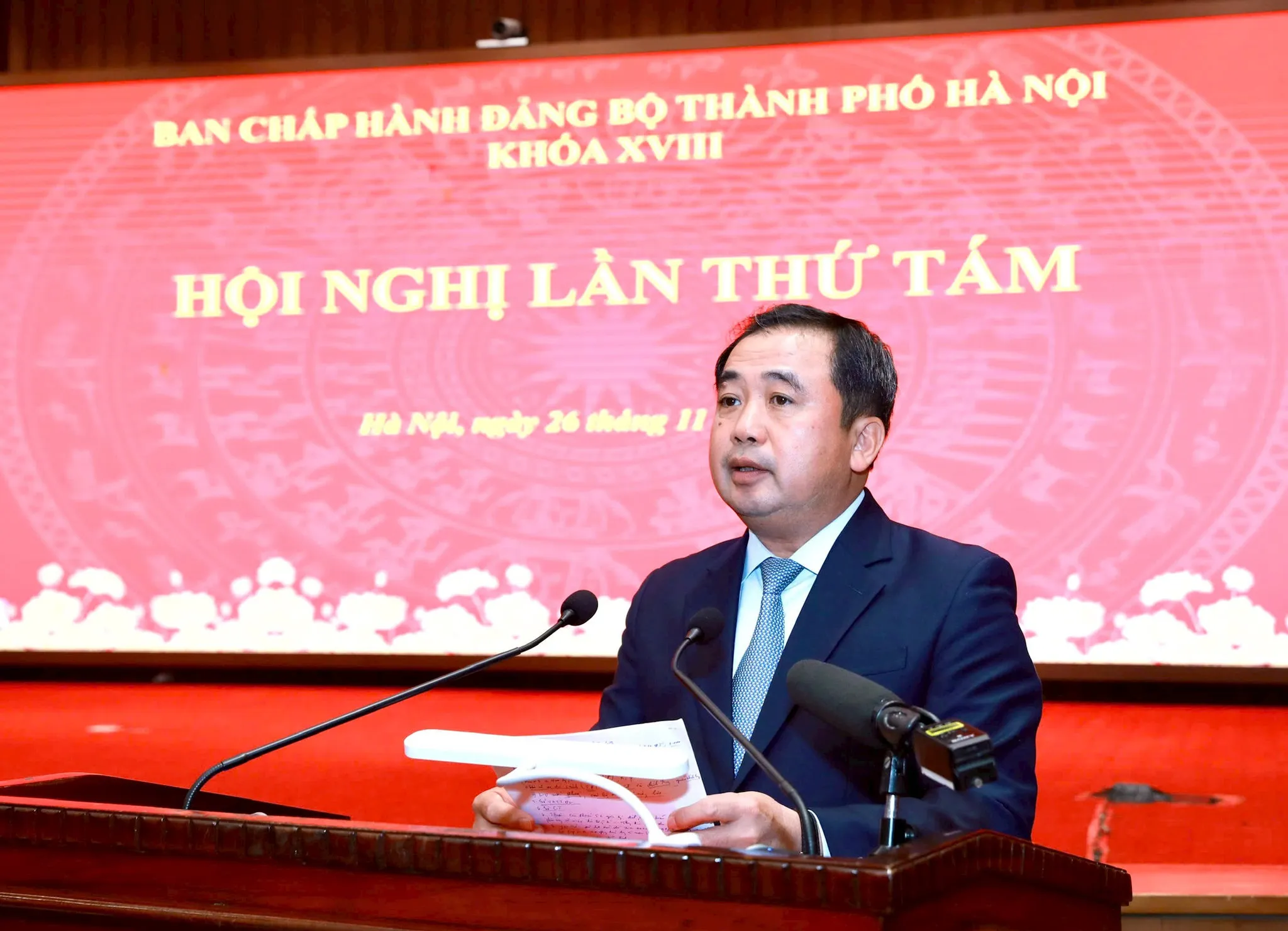
Hanoi has approved a plan to issue project bonds in 2027 to help finance the construction of new metro lines, marking an important step in the capital’s long-term transport development. The decision was adopted at a meeting of the Hanoi Party Committee on November 26 and reported by Tuoi Tre News on November 27. The proposal is intended to provide another source of funding for urban rail projects as the city seeks to expand public transport and reduce its dependence on road traffic.
The decision comes as Hanoi faces growing pressure to improve its transport infrastructure. Rapid urban development and increasing vehicle numbers have created serious challenges for the capital, including congestion, longer journeys and pressure on existing roads. Metro lines are considered an important part of the city’s response because they can carry large numbers of passengers and connect residential areas with major employment and commercial centres. However, building an extensive rail network requires substantial investment and long-term financial planning.
Under the approved resolution, the city has agreed in principle to issue bonds specifically for metro construction. The precise financing arrangements have not yet been finalised. Officials will need to examine how much money should be raised, what interest rates may apply and whether the city can comfortably meet future repayment obligations. The Standing Committee of the Hanoi Party Committee will review the details before implementation. This process is important because large infrastructure projects can place pressure on public finances if borrowing is not carefully managed.
The meeting also reviewed Hanoi’s economic targets and budget plans for the coming year. The capital has set a target of 11.1 per cent growth in gross regional domestic product for 2027, in line with objectives assigned by the central government. Party Committee Secretary Tran Duc Thang said the city’s state budget revenue in 2026 was estimated to reach 126 per cent of the assigned target. Stronger revenue could give the city more room to invest in transport and other infrastructure, although the government will still need to balance development spending with financial stability.
The proposed bond issuance reflects Hanoi’s intention to use different funding methods to support major public projects. If implemented effectively, the plan could help accelerate metro construction and improve transport options for residents. However, the success of the approach will depend on transparent financing, realistic repayment plans and careful project management. Hanoi must also ensure that new rail lines connect with buses and other transport services so that passengers can use the network conveniently. The decision establishes a financial direction for 2027, while the detailed plans will determine how quickly the projects can move forward.
