




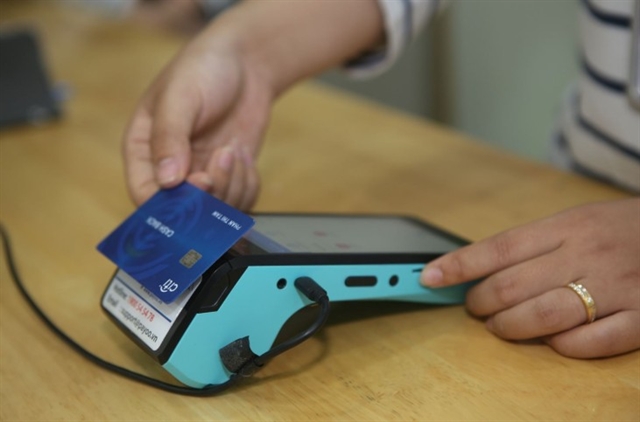
Vietnam’s central bank has ordered stronger payment security measures after detecting new fraud schemes involving the theft of bank card chips and the creation of counterfeit payment cards.
The State Bank of Vietnam (SBV) issued the directive as financial institutions face growing risks from increasingly advanced payment fraud methods. The move aims to protect customers and strengthen confidence in the country’s cashless payment system.
According to the SBV, fraudsters have developed a scheme that targets physical bank cards. In several detected cases, criminals removed or replaced the electronic chips embedded in customers’ cards after the cards were used at restaurants, shops, and other payment locations.
The stolen chips were later attached to blank cards. These counterfeit cards were then used to perform unauthorized transactions and withdraw or spend money without the cardholder’s permission.
The central bank said the new scam highlights the need for stronger security controls across the banking and payment sectors. Financial institutions have been instructed to review payment operations and identify weaknesses that could expose customers to fraud.
The SBV noted that payment fraud methods continue to evolve. Criminals are using more advanced techniques to bypass traditional security measures. As a result, banks and payment service providers must improve both technical safeguards and customer protection efforts.
The regulator also raised concerns about the design of some bank cards currently in circulation. According to the SBV, certain cards no longer display the cardholder’s name on the physical card.
While this design may offer some privacy benefits, it can also make identity checks more difficult for merchants during payment transactions. Without visible cardholder information, businesses may face greater challenges when verifying that a card is being used by its rightful owner.
Another issue identified by the central bank involves transparency in banking services. The SBV said some card issuers have not fully disclosed important information related to card products.
This includes fees, interest rates, and the methods used to calculate interest charges. The issue is especially important for credit card users, who rely on clear information to understand repayment obligations and borrowing costs.
To improve customer protection, the SBV has instructed banks and card issuers to ensure that all relevant information is presented clearly and completely. Customers should be able to understand the costs and conditions associated with their financial products before using them.
The central bank also warned about potential risks linked to foreign payment service providers operating in the market. Some international payment companies offer services to both non-residents and foreign residents living in Vietnam.
These services often connect internationally recognized payment cards, including Visa and Mastercard, to digital wallet platforms. The SBV said a review of these activities is necessary to ensure compliance with national regulations governing cashless payments.
Authorities want to confirm that all payment services operate within the legal framework and follow consumer protection requirements. The review is part of broader efforts to maintain a secure and transparent payment environment.
As part of the new measures, banks and payment intermediaries have been directed to strengthen customer education programs. These campaigns should help consumers recognize the signs of card tampering, chip theft, and other common fraud techniques.
The SBV emphasized that public awareness plays a key role in reducing financial crime. Customers who understand the risks are more likely to identify suspicious activity and take action quickly.
Financial institutions have also been asked to explore technical solutions that can make it harder to remove or detach chips from physical bank cards. Improving card durability and security features could help prevent criminals from reusing stolen chips.
In addition, payment acceptance points such as stores, restaurants, and service providers will face increased supervision. Stronger monitoring may help identify unusual activities and reduce opportunities for fraud.
The SBV said information printed on payment cards must comply fully with existing regulations. Banks are expected to review card designs and ensure that customer information and security features meet legal standards.
The latest directive reflects the central bank’s focus on strengthening payment security as digital transactions continue to grow. By improving oversight, increasing transparency, and promoting customer awareness, authorities aim to reduce fraud risks and protect consumers across the financial system.
The measures are expected to support safer electronic payments while helping maintain trust in Vietnam’s expanding banking and digital payment sectors.
