




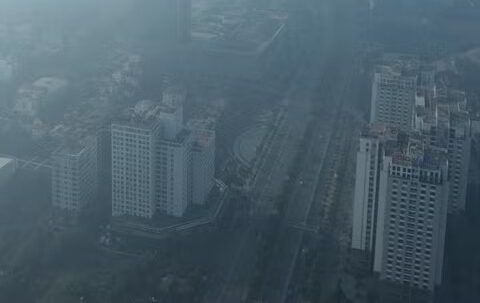
Hanoi is strengthening efforts to control major sources of air pollution as the city prepares for the autumn and dry seasons. The issue is a priority because fine dust, particularly PM2.5, can affect air quality and create health concerns for residents. In a report published on October 13, 2026, VietnamPlus said monitoring results for the first nine months of the year showed that Hanoi’s air quality had improved compared with the same period in 2025.
City officials have continued examining the sources of pollution and the measures needed to limit emissions. Fine particulate matter is a particular concern because these tiny particles can remain in the air and enter the respiratory system. Pollution levels can vary according to weather, traffic, construction activity and other local conditions. The approach therefore requires regular monitoring rather than relying on a single measure.
Nguyen Minh Tan, deputy director of the Hanoi Department of Agriculture and Environment, said fine dust was a main contributor to the city’s air pollution. The city is focusing on emissions sources that can be monitored and controlled. This work forms part of a broader effort to protect public health and improve the urban environment as Hanoi continues to grow.
Air quality can affect daily life in several ways. Residents may change their exercise routines or limit time outdoors when pollution levels rise. Children, older people and people with respiratory sensitivities may need to take particular care during periods of poor air quality. Reliable information can help residents make informed choices, although individual precautions cannot replace broader action to reduce emissions.
Hanoi’s efforts also reflect the difficulty of managing pollution in a large city. Transport, construction and other urban activities support economic growth, but they can also create environmental pressure. Authorities need to improve monitoring, enforce existing rules and encourage cleaner practices without disrupting essential services. Public cooperation is important because everyday choices and business operations can influence the results.
The improvement reported during the first nine months provides an encouraging sign, but it does not mean the problem has been solved. Seasonal conditions may still bring difficult periods, and pollution can vary across different parts of the city. Continued measurement will help officials understand which measures are working and where further action is needed.
Residents can follow official air-quality updates and consider reducing strenuous outdoor activity when pollution is high. Businesses and public agencies can also help by supporting cleaner transport, managing dust and following environmental standards. These actions are most effective when they form part of a consistent city-wide plan.
Hanoi’s next challenge is to maintain the reported progress as weather conditions change. Strong monitoring, practical enforcement and public communication will be important in reducing exposure and improving urban life. The city’s experience shows that cleaner air depends on sustained action rather than a single campaign or short-term improvement.
