




Vietnam is rethinking how it measures productivity as technology, data and green growth change the economy. Productivity is no longer only about making more goods at lower cost. It is also about using technology well, creating more value and using resources in a smart and lasting way.
Vietnamese businesses are combining old production methods with new tools to improve output and quality. These changes are helping create a modern system for productivity and quality across the economy.
Nguyễn Nam Hải, chairman of the Commission for the Standards, Metrology and Quality of Vietnam, said the country faces both new chances and new risks as technology and digital change move faster.
He said raising productivity and quality should now be a key part of Vietnam’s new growth model. This needs a change in how productivity is viewed.
Output is still important. But productivity should also show the value created through new ideas, better use of resources and long term benefits for society.
This approach could support Vietnam’s digital and green transition. It could also help local businesses compete in global markets and support the country’s long term development goals through 2045.
Businesses are at the centre of this change. Vietnam is working to build a productivity and quality system that can solve real problems faced by companies.
Businesses are being encouraged to use tools such as artificial intelligence, big data and digital tracking systems. They can also use ISO 56001 based innovation management and environmental, social and governance standards.
These tools can help companies use resources better and improve their ability to compete with firms in other markets.
Experts say AI, the Internet of Things and big data are becoming key tools in modern production. They can help companies improve production, raise product quality and make better business decisions.
These technologies can also help Vietnamese firms become part of global supply chains.
In the past, many business decisions were based on personal experience. Today, more companies are using data and scientific analysis. This can make decisions faster, more accurate and more efficient.
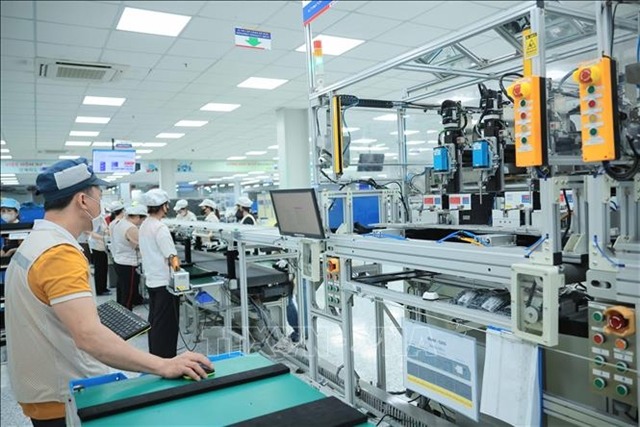
The use of AI, connected devices and large data systems is also changing the way factories work. Traditional production is moving towards smart manufacturing.
However, businesses need the right systems to make these tools work. They need better digital networks, clean and standard data, and workers with strong digital skills.
They also need management systems that follow international standards.
Deputy Minister of Science and Technology Lê Xuân Định said digital change and AI are creating major changes around the world.
Technology is now affecting more than production. It is also changing management, quality checks and links with customers and markets.
Global markets are also demanding more information from businesses. Product quality, clear supply chains, traceability and legal compliance are becoming more important.
As a result, digital platforms and AI are becoming important tools for companies that want to grow and compete overseas.
Vietnam is also increasing investment in its systems for standards, productivity and quality. Developing skilled experts is one of the main goals.
The country also plans to improve public awareness and expand successful productivity projects across different areas.
The Commission for the Standards, Metrology and Quality of Vietnam is working with international groups and certification bodies. This includes cooperation through the Asian Productivity Organization network.
The goal is to improve the ability of Vietnamese businesses to meet global standards and compete in international markets.
The Vietnam Productivity Institute also sees digital change as a major source of labour productivity growth in the next decade.
Its director, Nguyễn Tùng Lâm, said digital management systems can help businesses follow production, improve supply chains and control quality from the start.
Environmental, social and governance standards are also becoming more important. Export markets, investors and global supply chains are paying closer attention to these areas.
For Vietnamese businesses, ESG can support both green growth and higher productivity. It can also help companies meet global rules and build stronger links with international markets.
Vietnam’s new productivity model will therefore depend on more than technology alone. Better skills, stronger systems, useful data and good management will all play a role.
By combining these areas, the country hopes to make productivity and quality major drivers of future economic growth.
