




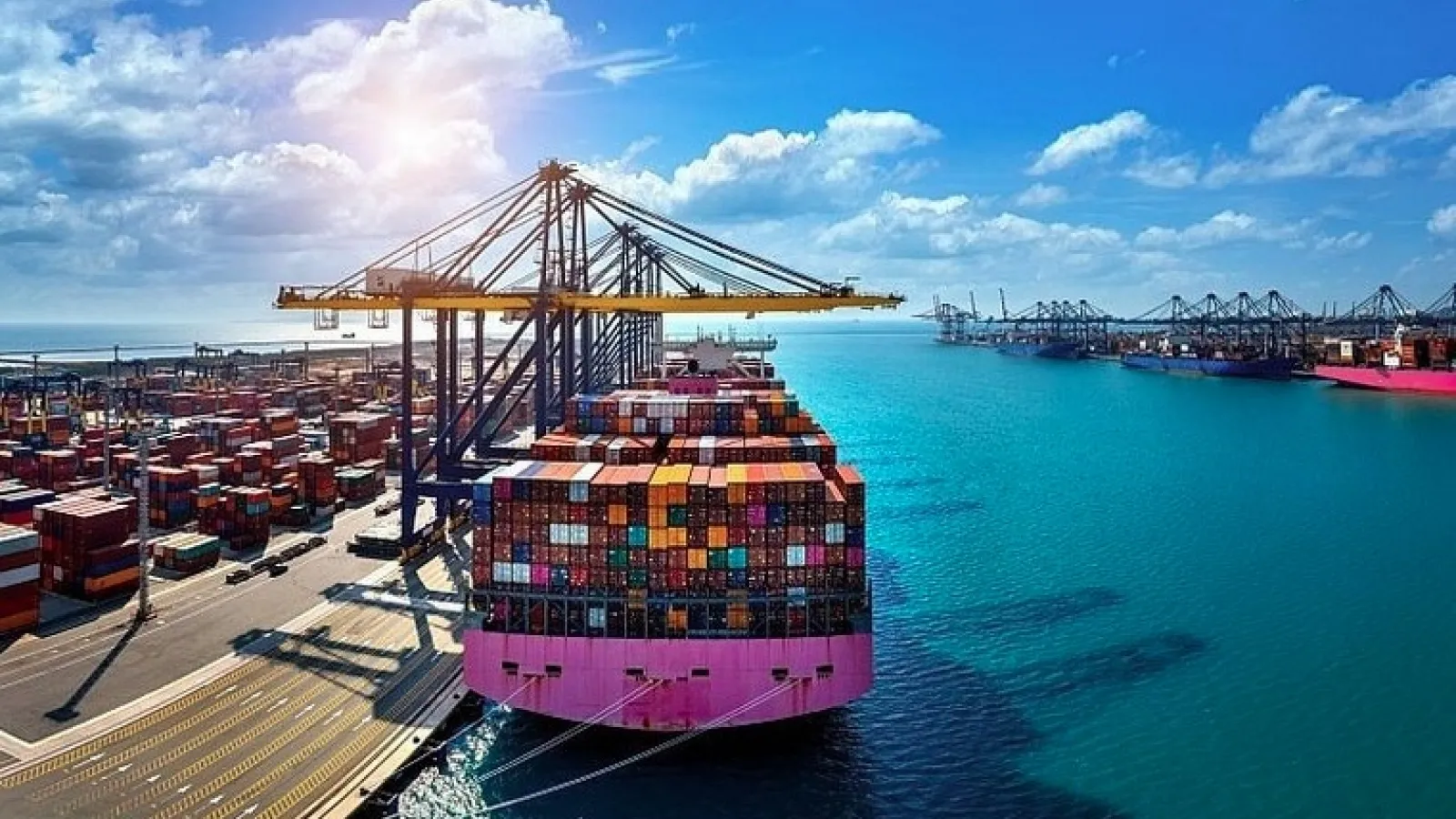
Vietnam’s total import-export turnover reached an estimated $1.01 trillion during the first 10 months of 2026, marking the first time the country’s trade in goods has passed the $1 trillion threshold. The figure represents a 32.3% increase compared with the same period last year and highlights the continued expansion of Vietnam’s role in international trade.
The milestone is significant for an economy that has become increasingly connected to global manufacturing and supply chains. Vietnam exports a wide range of products to international markets and imports materials, components and equipment needed by its industries. The growth in trade reflects activity across these connected sectors and the country’s efforts to strengthen its position as a production and export centre.
The latest figures show that Vietnam’s trade performance has continued to expand during 2026. Crossing the $1 trillion mark before the end of the year places the country at a new level of commercial activity and provides an important measure of its growing integration into the world economy.
Trade growth can support employment, industrial investment and government revenue. Export businesses need workers, transport services, warehouses and other supporting activities to move products from factories to overseas customers. Importers also play an important role by bringing in machinery, technology and raw materials that allow domestic producers to maintain output and improve production capacity.
However, a rise in total trade does not automatically mean that all sectors are benefiting equally. The balance between exports and imports, the value added by domestic companies and the ability of local businesses to move into higher-value production will remain important factors in determining the long-term impact.
Vietnam’s expanding trade network also leaves the economy exposed to changes in international demand, tariffs, transport costs and supply-chain conditions. Businesses must continue adapting to shifting rules and competition in major markets.
The record turnover is therefore both a sign of economic progress and a reminder of the importance of maintaining stable trade relationships. As Vietnam approaches the end of 2026, the challenge will be to build on the record while improving the quality and sustainability of its export growth.
