




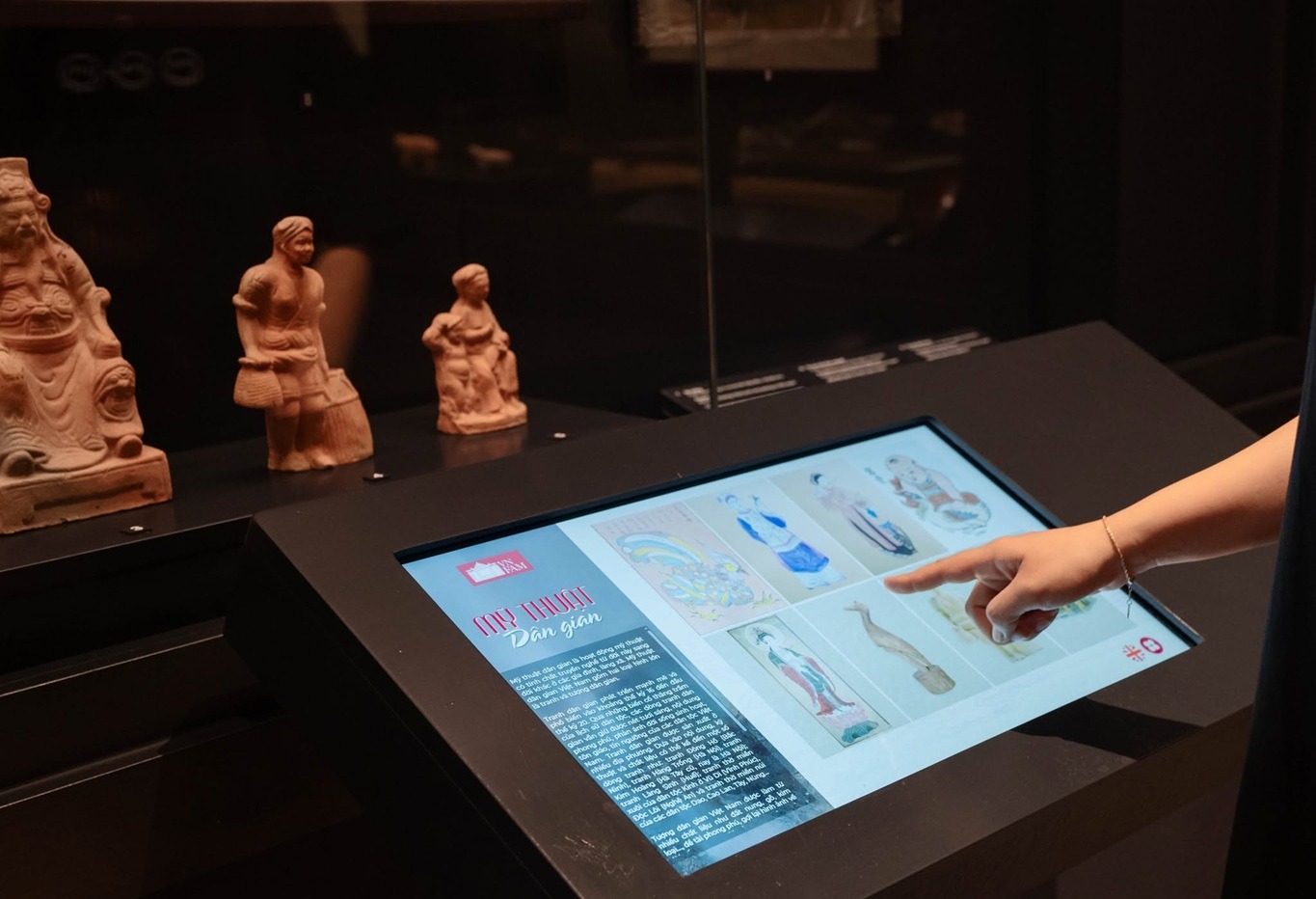
Vietnam is using artificial intelligence, advanced 3D printing and interactive games to create new ways for young people to explore the country’s cultural heritage. The work at the Vietnamese Women’s Museum in Hanoi combines traditional museum objects with modern technology. The approach is designed to make heritage more interactive and easier for younger visitors to understand.
Museums have traditionally depended on physical objects, written information and guided visits to explain history. New technology is changing that model by allowing visitors to interact with information in different ways. Digital tools can provide extra details, create visual experiences and help visitors understand objects that may otherwise appear difficult or distant.
The Vietnamese Women’s Museum is using technology to connect its collection with new audiences. Artificial intelligence can help create interactive experiences around museum objects, while 3D printing can provide physical models and new ways to study objects. Interactive games can also encourage younger visitors to spend more time exploring exhibitions.
This approach is part of a wider change in the way cultural institutions communicate with the public. Young people are accustomed to digital technology through phones, games and online media. Museums that use similar tools can create experiences that feel more familiar to younger audiences.
The use of 3D printing is particularly useful for cultural education. A three-dimensional copy can allow visitors to examine the shape and structure of an object in ways that may not be possible with a protected original. It can also help museums create educational materials without exposing valuable objects to unnecessary handling.
Artificial intelligence provides another layer of interaction. AI-based systems can organise information, answer questions and support personalised learning experiences. When used carefully, such tools can help visitors explore a collection at their own pace.
Technology can also help museums reach people who cannot visit in person. Digital versions of objects and exhibitions can be used for online education and remote learning. This can extend the reach of cultural institutions beyond their physical buildings.
For Vietnam, the use of technology in heritage is also connected to efforts to encourage younger generations to value history. Traditional culture can sometimes seem distant to children and teenagers if it is presented only through long written descriptions. Interactive tools can make the same information more accessible.
However, technology does not replace the original heritage objects. Museums still need to protect authentic materials and provide accurate historical information. Digital tools work best when they support the real collection rather than distract from it.
The project also shows how science and culture can work together. Artificial intelligence and 3D printing are often associated with business, manufacturing and research, but they can also be used in education and cultural preservation.
Hanoi has a large number of museums and historic sites, giving the capital an important role in Vietnam’s heritage sector. New technology could help these institutions reach wider audiences and develop new forms of education.
The approach may also encourage other museums to experiment with digital tools. If visitors respond positively, similar systems could be introduced in other cultural institutions across Vietnam.
The focus on young people is particularly important because today’s children and teenagers will become the future users, researchers and protectors of cultural heritage. Making museums easier to explore can help build long-term interest in history.
The Vietnamese Women’s Museum’s work therefore represents a wider shift toward combining heritage with technology. AI, 3D printing and interactive games are being used not simply for entertainment but to create new ways of learning.
As technology develops, museums will have more tools to present history and culture. The challenge will be keeping those experiences accurate, meaningful and connected to authentic heritage.
For Hanoi, the project shows how a modern capital can use new technology to present traditional culture to a new generation. The combination of heritage and digital tools could become an increasingly important part of museum education in Vietnam.
