




Vietnam’s industrial sector has recorded strong growth during the first 10 months of 2026, with processing and manufacturing continuing to provide the largest contribution to overall production. Figures released by the National Statistics Office show that the industrial production index for the processing and manufacturing sector increased by 13 percent compared with the same period last year.
The sector contributed 10.2 percentage points to the country’s overall industrial growth, making it the main driver of expansion. Its performance highlights the importance of factories producing electronics, machinery, consumer goods and other manufactured products for both domestic and international markets.
Mining also recorded growth during the period. Its industrial production index increased by 7.1 percent year on year, contributing 1.1 percentage points to overall industrial growth. The improvement indicates stronger activity in the extraction sector, which supplies raw materials for several areas of the economy.
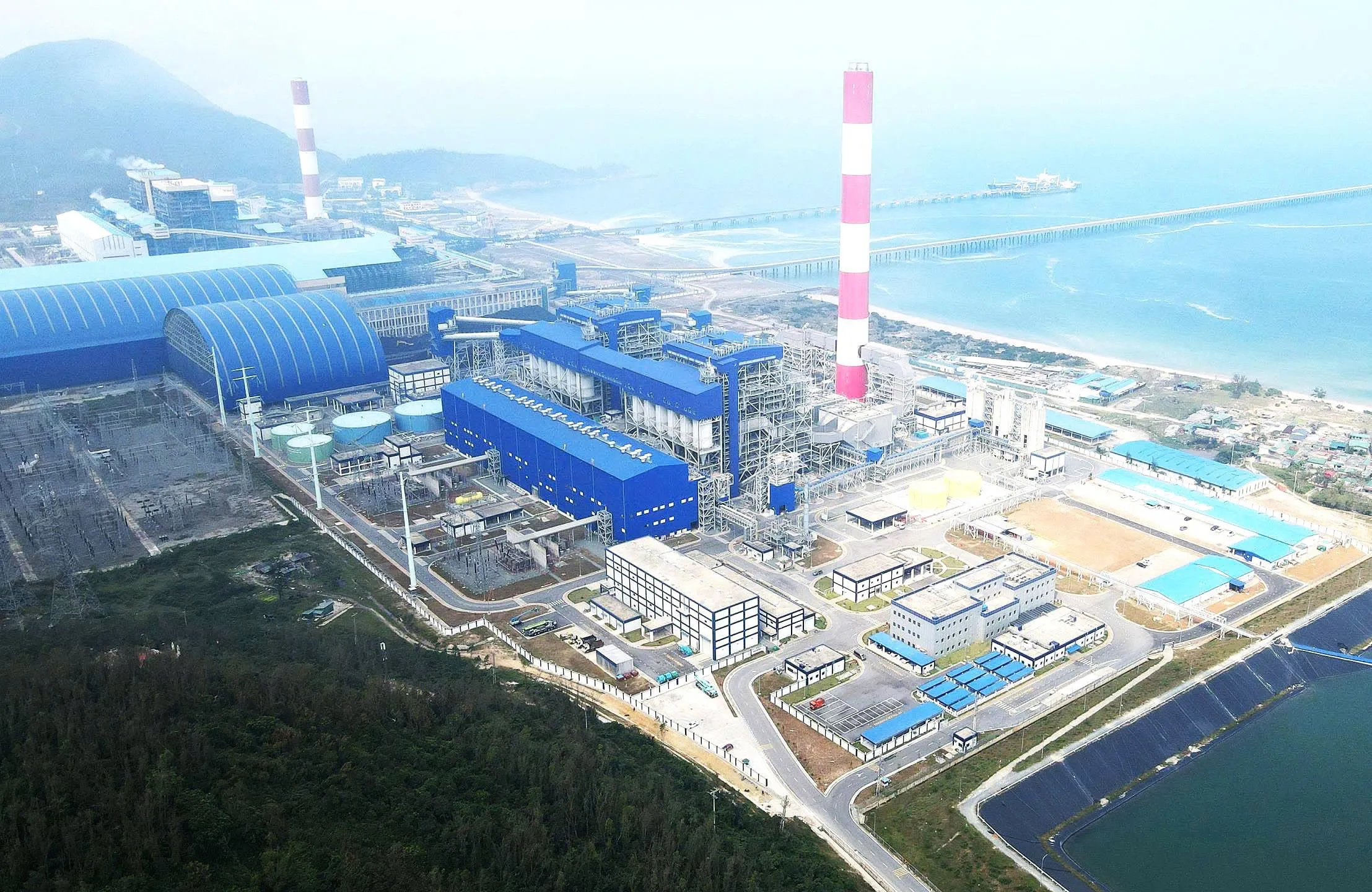
Electricity generation and distribution increased by 10.6 percent, adding one percentage point to industrial growth. The rise reflects the importance of reliable energy supplies as factories, businesses and households continue to increase their demand for electricity. Water supply, waste management and wastewater treatment also expanded, recording growth of 9.2 percent.
The figures show that industrial growth is being supported by several connected sectors. Manufacturing requires electricity, transport, water services and a steady supply of materials. As a result, improvements in one area can support production across the wider economy.
The processing and manufacturing sector has become especially important to Vietnam’s position in global supply chains. International companies have established factories in the country to produce electronics, components, garments and other goods. Local manufacturers also play a role by supplying materials and services to larger businesses.
The continued expansion of manufacturing can support employment, exports and investment. It can also encourage companies to improve production technology and develop a more skilled workforce. However, maintaining growth will depend on the availability of workers, stable energy supplies, transport infrastructure and access to international markets.
Vietnam is seeking to move beyond basic manufacturing towards higher-value production. This includes stronger domestic research, advanced technology and more participation by local companies in the design and development of products. Such changes could help businesses increase productivity and retain a larger share of the value created in international supply chains.
The latest figures provide a positive picture of industrial activity, but they also highlight the need to maintain balanced growth. Authorities will need to support infrastructure, improve workforce skills and encourage investment while managing environmental pressures linked to expanding production.
With manufacturing continuing to lead industrial expansion, the sector is likely to remain central to Vietnam’s economic performance through the rest of 2026 and into the next year.
